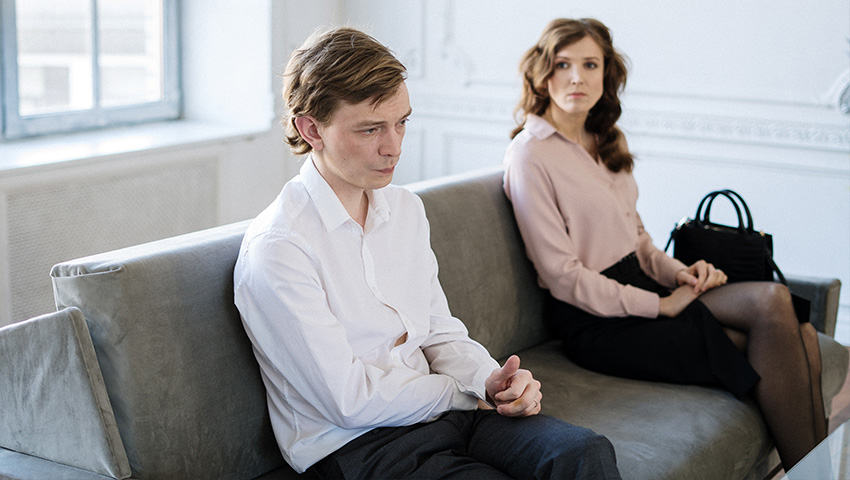

Reasons to seek help

bereavement counselling in Worcester

Bereavement & Loss

Grieving is the natural process we go through in response to loss of many kinds e.g. death, permanent injury, losing a job, relationship breakdown, or any variety of life change. When we are in the midst of grief we feel it will never end, that we might always feel as we do now and may even see it hard to imagine any future happiness. The loss of someone significant, through death, though sometimes through separation, can be one of the hardest things to experience in our life. Other losses such as loss of a job, loss of good health, or major life changes such as retirement, can cause the same symptoms of grief.

Grief takes time to work through. There are no hard and fast guidelines. It takes as long as it takes, but as a general rule it will take longer than you expect. Try not to get over it ‘too quickly’ nor adopt a ‘stiff upper lip’ attitude. Grief is inevitable, normal, and an entirely human response. We may not grieve much immediately, but weeks, maybe months later we start to feel upset and painfully aware of our loss. Everyone’s experience of loss is entirely individual. No one can tell you how you will or should feel. Even people in the same family may grieve in different ways. Some may wish to celebrate the life to the deceased; others show their tragedy and sorrow in a more visible way. Some are quiet and low key, others may wish to talk of their loss at length.

Symptoms of normal grief:


  • Feeling numb at first, as if paralysed
  • Disbelief, unable to acknowledge the person is really dead
  • Crying uncontrollably, unable to function as normal
  • Guilty for surviving, not having said goodbye, leaving things unresolved
  • An aching void, a profound sense of emptiness, something that will never be filled again
  • Whether it was sudden or not, you may feel traumatised by the event, especially if it has been violent in some way, such as an accident, suicide or murder
  • The wide spectrum of powerful emotions that ensue can leave us feeling worn out, exhausted and confused

Some self-help advice:


  • Accept that mourning takes some time, you can’t hurry it along
  • If you feel like crying then do it. If you don’t want to cry in front of others find a safe and quiet place alone
  • Don’t be afraid to accept help from others, either friends or relatives, even professionals such as religious ministers etc
  • If you feel the need to talk about your loss, don’t be afraid to do so, even if you need to do so again and again
  • If you’re worried about over using friends and family consider talking to a counsellor or other forms of professional help
  • Think about practical ways to ease you’re pain e.g. writing a letter to the deceased, perhaps saying what you didn’t manage to say in your lifetime; plant a tree or shrub in their memory; light a candle on special days.

Get in touch to book an Initial Assessment

Or give us a call if you have any questions

anger management in worcester

Anger Management

Anger is a normal and natural reaction to feeling threatened, violated or receiving unjust treatment. In itself it is neither good nor bad; but it can be frightening. It can go from feelings of mild irritation to seeing a red mist in front of your eyes and feeling an uncontrollable rage. Anger is an emotion that many people suppress, this can be as harmful as experiencing uncontrolled rage. Suppressed anger can have many physical and emotional symptoms such as poor digestion, high blood pressure, depression and addictions.

Angry feelings can lead to destructive and violent behaviour and so we tend to be frightened of it in others and in ourselves. The way we are brought up plays an important part in how we express our anger. We may come from a family where we were not able to show feelings of anger, or one where we may have witnessed destructive and violent outburst, which cause us to fear anger.

Ways to manage your anger

Learn ways to be more assertive. Being assertive means you are clearer in your communications and are more likely to have your needs understood and met

Examine your past patterns of behaviour and history around anger. See if you can begin to rectify any of the unhealthy ways of expressing anger you may have adopted

Acknowledge old angers from the past, especially from your childhood. Perhaps you could begin to change your attitude to what has happened to you

If anger causes you to want to lash out, then learn to walk away from situations and explain that you are too angry to talk at the moment


Get in touch to book an Initial Assessment

Or give us a call if you have any questions

substance misuse counselling

Substance Misuse

What is substance misuse?

Alcohol, drugs and cigarettes are all forms of substances that are commonly used to alter our states of mind. Addiction is when our need for these substances rules our lives and influences our behaviour.

What causes substance misuse?

Alcohol is the most common substance misused within our population. Alcohol can be used to reduce inhibitions or bolster confidence in social settings. It can also be used to mask anxiety or “drown sorrows”. Excessive drinking can however be a symptom of depression and cause us to act in ways that are out of character and lead to distress for e.g. unwanted sexual encounters or spending too much money.

Ways to manage substance misuse?

  • Acknowledge your problem with the substances you are misusing and realise the effect they are having on your life
  • Try to imagine what your life would be like if you had more control and were not so reliant on alcohol, drugs or cigarettes. Asses how much you want your life to change and what practical lifestyle changes you will need to make to facilitate the change
  • Keep a diary of your drinking, smoking or drug habit for a couple of weeks. Begin to assess the relationship you have with the substance you are misusing
  • Begin recovery by reducing the amount of alcohol drugs or cigarettes you are using. Asses times when it may be more difficult than others to do this or times when you will be tempted to overuse. Work out strategies for overcoming difficulties you may encounter

Get in touch to book an Initial Assessment

Or give us a call if you have any questions

help with panic attacks worcester

Anxiety & Panic

Panic attacks often appear to come out of the blue, they strike suddenly and cause people to feel powerless and out of control. Many people experience panic attacks and most are able to learn to manage them with help. When faced with a situation we perceive as dangerous our body gears itself up for ‘flight or fight’. It does this through releasing adrenalin and this has the following effect on our bodies:

  • Muscles tense and breathing becomes faster and shallower
  • The heart pumps harder to get blood to where it is needed, blood is diverted away from areas which don’t need it
  • The senses become more alert i.e. hearing, taste, smell, sight and touch will all become more sensitive

Some Panic Attack Symptoms

In some cases a person may experience very rapid breathing or feeling unable to breathe, accompanied by a very rapid heartbeat. Often there are pains in the chest and feelings of faintness and dizziness. Sweating and ringing in the ears are also common signs.

Ways to Manage Panic Attacks

Breathing into a paper bag or into a cupped hand will help to reduce the symptoms of a panic attack initially

Learning various relaxation and breathing techniques will help, as will ensuring a good diet to maintain blood sugar levels

One of the first steps to managing panic attacks is to recognise your thoughts and feelings in the build up to an attack and also telling yourself that you have the power to control your symptoms

If you would like to talk with an experienced counsellor then please contact us at Worcester Therapy Group

Get in touch to book an Initial Assessment

Or give us a call if you have any questions

relationship counselling in worcester

Relationship Difficulties

Many couples seek help in times of upheaval and crisis, though difficulties may well have been present for some time and often the result of long standing hurt and anger. One or other partner may even get to the point they no longer want to be in the relationship, which often leaves them feeling isolated and misunderstood by the other partner. It is quite common for one partner to want to go for help while the other just feels pressurised to come along. This reluctance is often the result of miconceptions about what’s involved, especially the assumption that the therapist will take sides or even worse, judge the person for their actions. Another fear is that it will simply degenerate into arguments, but were this to occur, it would simply recreate in the therapy session the same destructive situation that is happening at home.

The aim is not just to resolve current issues but to develop the basis for communication that can be used in the future. Not all couples are able to successfully resolve their differences and separation is the best resolution, but this does not necessarily mark a failure in the therapeutic process since the real aim is to promote mutual respect between two people, whatever the outcome. The goal is to arrive at a point where a couple can begin to understand each other, and from this basis work together toward finding a solution.

What happens during Couples Therapy?

Get in touch to book an Initial Assessment

Or give us a call if you have any questions